Summary
- Common ways to send money to Mexico include bank transfers, digital services, card deposits, and cash pickup.
- Compare the final amount in Mexican pesos because the exchange rate can matter more than the advertised fee.
- An eligible recipient in Mexico can use a Bitso U.S. dollar account to receive an ACH or wire transfer that is credited as USDC.
- Verify recipient details, total costs, limits, and delivery time before confirming a transfer.
You can send money from the United States to Mexico through a bank transfer, card-funded service, digital platform, or cash pickup. The main differences are not always limited to the fee shown upfront. The exchange rate and delivery time also affect the result.
This guide explains the most common options, what you may need for your first transfer, and which costs and details to review before choosing a provider.
Ways to send money to Mexico
The right remittance method depends on what is practical for you and the recipient. These are some of the most common options.
Bank transfer and direct deposit
A bank transfer sends funds to an account in Mexico, usually identified by its 18 digit CLABE number. An international transfer may also require the recipient bank’s name, address, account information, or SWIFT code.
Debit card and credit card
Some services let you fund a transfer with a debit or credit card, or deposit money onto a compatible card in Mexico. A credit card issuer may treat the payment as a cash advance and apply additional fees or interest, so review the terms before confirming.
Mobile wallet or digital account
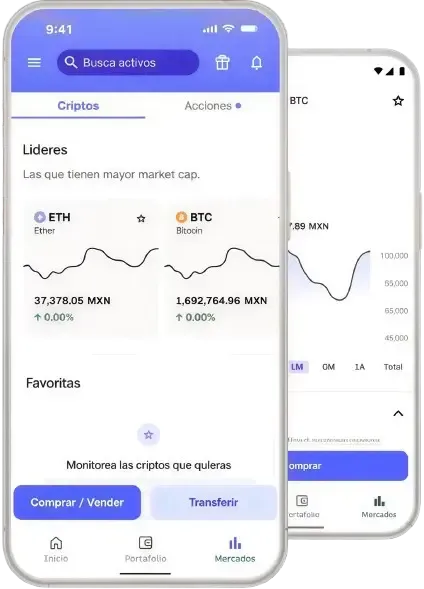
A mobile wallet or digital account lets the recipient manage a balance through an app. With a Bitso U.S. dollar account, an eligible account holder in Mexico can receive an ACH or wire transfer from the United States. The deposit is automatically converted to USDC when it is credited.
USDC is not a U.S. dollar bank deposit or legal tender. It is a stablecoin designed to track the value of the U.S. dollar and has risks associated with digital assets.
Bitso does not offer consumer accounts in the United States. In this flow, the sender initiates the transfer through a U.S. bank, while the eligible recipient uses their own Bitso account in Mexico.
Cash pickup for family in Mexico
Another option is to send money for pickup at an authorized location in Mexico. The recipient commonly needs a reference number and government-issued identification. Locations, limits, fees, and pickup windows depend on the money transfer service.
How to send money online with Bitso, step by step
The Bitso U.S. dollar account flow begins with the person receiving the money in Mexico. The sender in the United States does not need to open a Bitso account to initiate the bank transfer.
- 01
The recipient in Mexico activates their U.S. dollar account.
They must complete verification, demonstrate legal residency in Mexico, and meet the current eligibility requirements.
- 02
The recipient shares the deposit details.
The banking details appear in the Bitso app and should be copied exactly as shown.
- 03
The sender initiates an ACH or wire transfer.
The person in the United States sends the dollars from their bank and checks its fees, limits, and processing times.
- 04
The recipient checks the USDC credit.
When the deposit arrives, it is automatically converted to USDC. The recipient can hold it or convert it to Mexican pesos using the available options.
Bitso Transfer is a separate feature for sending funds between Bitso users by email address, phone number, or QR code. Both features are subject to current eligibility, limits, and terms in the supported market.
What do you need to send money to Mexico from the U.S.?
In general, you need the recipient’s full name, their delivery method, the amount, and any account or identification details required by the provider. For a bank transfer, confirm whether you need a CLABE number, account number, ACH details, or SWIFT information.
The provider may also ask you to verify your identity, explain the purpose of the transfer, or provide additional information. Requirements can vary based on the amount, payment method, and applicable compliance checks.
Never confirm a transfer based only on a screenshot or an unexpected message. Verify the details directly with the recipient, check the provider’s website or app, and keep your receipt.
How the exchange rate affects what your family receives
The advertised fee is not the only factor that determines how many pesos the recipient gets. The exchange rate used to convert U.S. dollars to Mexican pesos also affects the final amount.
For example, two services can charge the same transfer fee but deliver different amounts because they use different conversion rates. Compare both the total amount you will pay and the final amount the recipient is expected to receive.
Fees for sending money to Mexico
Fees vary by provider, payment method, delivery option, amount, and speed. A bank deposit, card transfer, and cash pickup may each have a different total cost.
- Banks and money transmitters: charges may include a flat fee, a percentage, a card fee, or intermediary bank costs.
- Currency conversion: the provider may include a margin in the exchange rate.
- Bitso U.S. dollar account: Bitso does not charge the recipient for receiving a deposit into this account, but the sender’s bank or an intermediary may charge for an ACH or wire transfer. Check current terms before sending.
- Bitso Transfer: transfers between Bitso users do not have a transfer fee, but a later conversion or withdrawal may have different conditions.
Always compare the total cost and final delivery amount, not only the most visible fee. Our guide to money transfer apps for Mexico covers additional comparison points.
What to expect from your first transfer
The first time you use a service, you may need to complete identity verification and provide additional information. The review process and timing depend on the provider and the transaction.
If the money needs to arrive by a specific date, start early. Identity checks, incorrect details, banking hours, weekends, holidays, or additional reviews can delay delivery. Consider sending a smaller amount first when using a new recipient account or service.
This content is for informational purposes and does not constitute financial advice.
Frequently asked questions about sending money to Mexico
The recipient may receive money in a bank or digital account, on a compatible card, or through cash pickup, depending on the service selected by the sender.
There is no single best option for everyone. Compare the final amount in pesos, delivery time, payment method, pickup or deposit requirements, and the recipient's needs.
The cost depends on the provider, payment method, amount, speed, and delivery option. Review the transfer fee, exchange rate, and any bank or intermediary charges.
Not always. Some money transfer services support cash pickup, while certain platforms credit a digital account or compatible card. Requirements vary by provider.
Delivery time varies by provider, method, banking hours, and required reviews. Incorrect information or pending verification can also extend the time.
Bitso does not offer consumer accounts in the United States. The sender uses their U.S. bank, while an eligible recipient in Mexico uses their own Bitso account and deposit details.
The provider collects the transfer details and payment through an app or website, performs any required conversion, and delivers the funds through the selected method. Review which company handles each part of the service.
Compare the total amount paid, exchange rate, intermediary charges, and final amount received. A low advertised fee does not necessarily mean the full transaction costs less.
Some money transfer services allow cash pickup at authorized locations. Confirm the identification, reference number, limits, and pickup window before sending.
No provider can guarantee the best result in every case. Compare the final amount offered by each option, including its exchange rate, fees, delivery method, and possible additional charges.